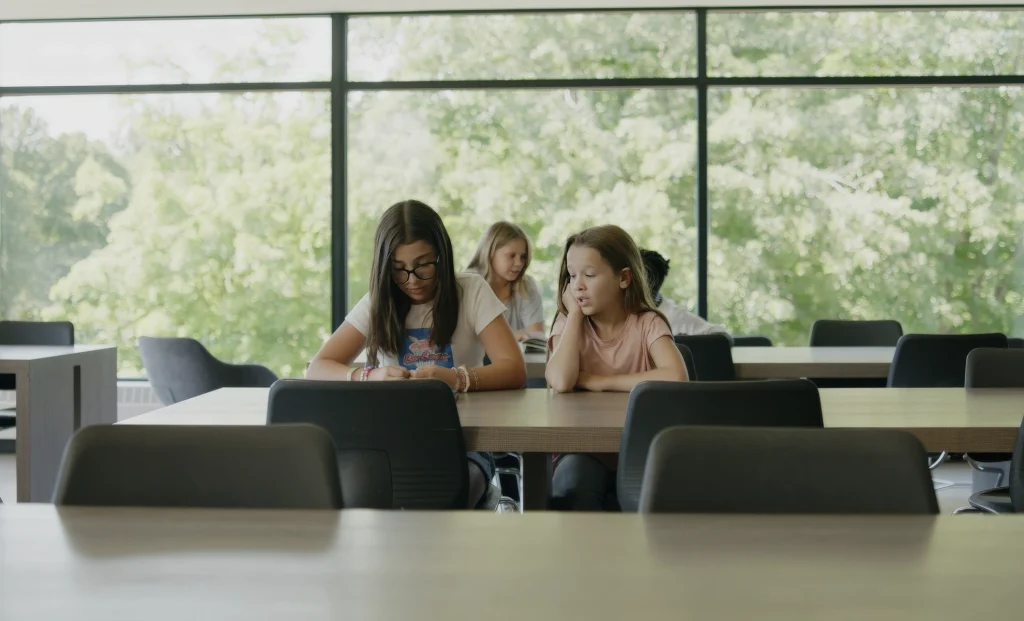





Bullying at school


What is bullying?
Bullying happens when a student repeatedly uses hurtful words or actions toward another student. It can happen in person or online. It is unfair because the person who bullies often has more power — they may be older, stronger, or part of a group targeting one person.
Bullying can be direct, such as insulting or threatening someone, or indirect, such as spreading rumors or sharing hurtful things about someone. The result is that the person being bullied feels hurt or isolated.
To recognize a bullying situation, it’s important to think about it and take ACTION.
ACTION is a word that helps identify bullying:
A: Actions, intentional or not
C: Continues over time
T: Targeted behaviour
I: Imbalance of power
O: Ongoing harm
N: Not okay
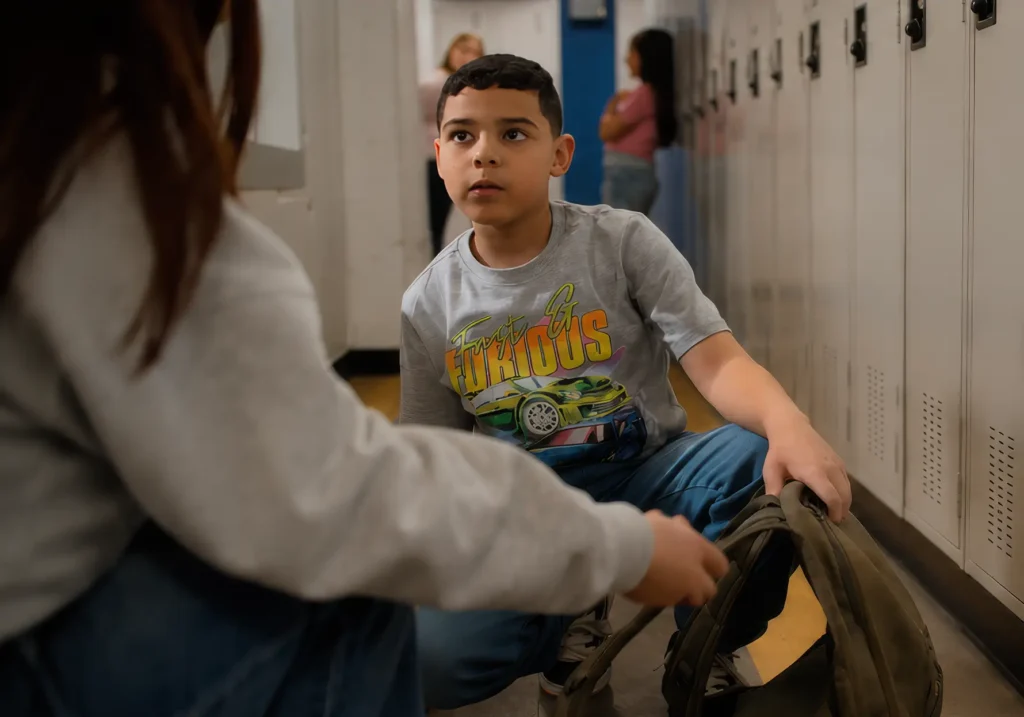
Different forms of bullying
Physical
Actions that cause physical harm.
Examples: hitting, pushing, tripping, making threatening gestures, or forcing someone to do something.
Verbal
Words that hurt someone psychologically.
Examples: insulting, threatening, mocking, or making hurtful comments about differences.
Social
Actions that harm relationships or someone’s sense of belonging.
Examples: spreading rumors, excluding someone, or humiliating them in front of others.
Material
Actions that damage someone’s environment or belongings.
Examples: stealing, damaging, or vandalizing someone’s property.
When does the police get involved in a bullying situation?
The Criminal Code is a set of laws that defines actions that are not allowed in Canada. A person can be arrested and charged with a crime starting at age 12.
When a bully crosses the line and commits a Criminal Code offense against you (for example: threats or assault), you can report the situation to the police. This step is meant to ensure your safety and stop the behaviour.
If you need more information or support, you can talk to a school staff member, a parent, or your school police officer. There are many offences related to bullying, and it’s important to understand them. You can learn more by clicking here.
What is a conflict?
A conflict happens when two people disagree and argue about a specific situation. There is usually no imbalance of power, and the people involved may be or have been friends. A conflict typically creates negative emotions for both people.
Who is involved in a bullying situation?
Three roles are often present:
- The victim: the person being bullied
- The person bullying: the one engaging in the behaviour
- The witness: the person who sees or knows what is happening
Witnesses can make a real difference by speaking to an adult or supporting the victim.
The important role of the witness
If you see someone being bullied, never laugh or encourage the situation. Instead, move closer to the person being targeted to show your support. You can also encourage other witnesses to do the same. As soon as possible, talk to an adult to get help. If you feel able, clearly tell the person bullying that you do not agree with what they are doing. Witnesses play a very important role, their actions can truly make a difference.
Resources to help you
Discover organizations that can support you. Their goal is the same: to listen and advise you on your situation. You can also talk to a counselor or a trusted adult at your school. They are always there to help!