




How school can help you


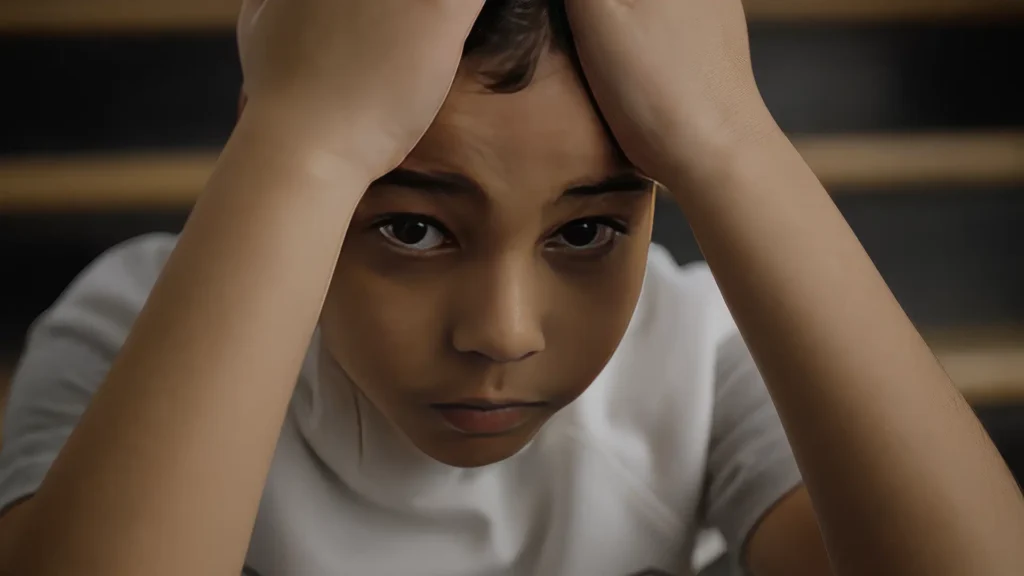
If you are being bullied, it is essential to ask for help. At school, many people are there to listen and support you: your teacher, a school staff member, the administration, or another trusted adult. If you feel uncomfortable speaking up, you can ask a parent to contact them for you. The most important thing is not to keep it to yourself.
How can the school help?
When you tell an adult about bullying, the school takes action using its anti-bullying and anti-violence plan. A trusted person will first listen carefully and gather information to understand what happened. Then, the situation is reviewed, the administration is informed, and the best course of action is chosen. The school works to stop the bullying, repair the harm, and put a safety plan in place to protect those involved.
What if it happens again?
After taking action, the school will follow up to make sure the situation is resolved. If the behaviour continues, it is very important to report it again so further action can be taken.

What about online situations?
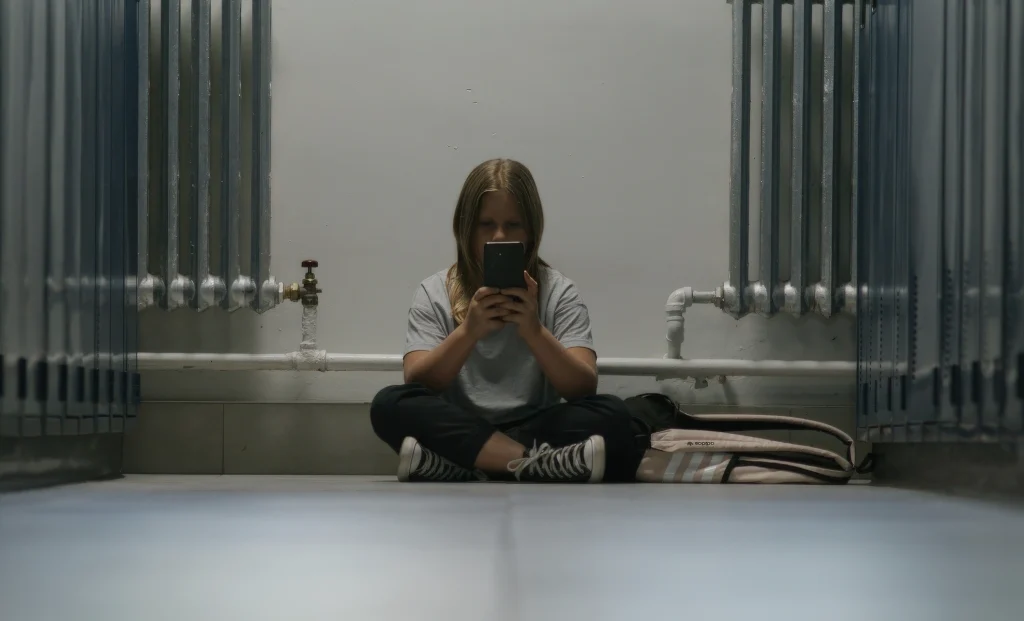
Cyberbullying can cause difficult emotions like anxiety, sadness, or worry, even if it happens outside school hours or on social media. In all cases, you can talk about it with a trusted adult at school. They are there to listen, support you, and help find solutions so that the situation improves and you feel safe.
Talking to your parents is important
Your parents can be strong allies if you are experiencing bullying or cyberbullying. Their role is to listen, reassure you, and help you find solutions. They can communicate with the school, meet with staff, and make sure everything is done to protect you. Remember: you don’t have to face this alone. Your parents and your school team are there for you.
Resources to help you
Discover organizations that can support you. Their goal is the same: to listen and advise you on your situation. You can also talk to a counselor or a trusted adult at your school. They are always there to help!