






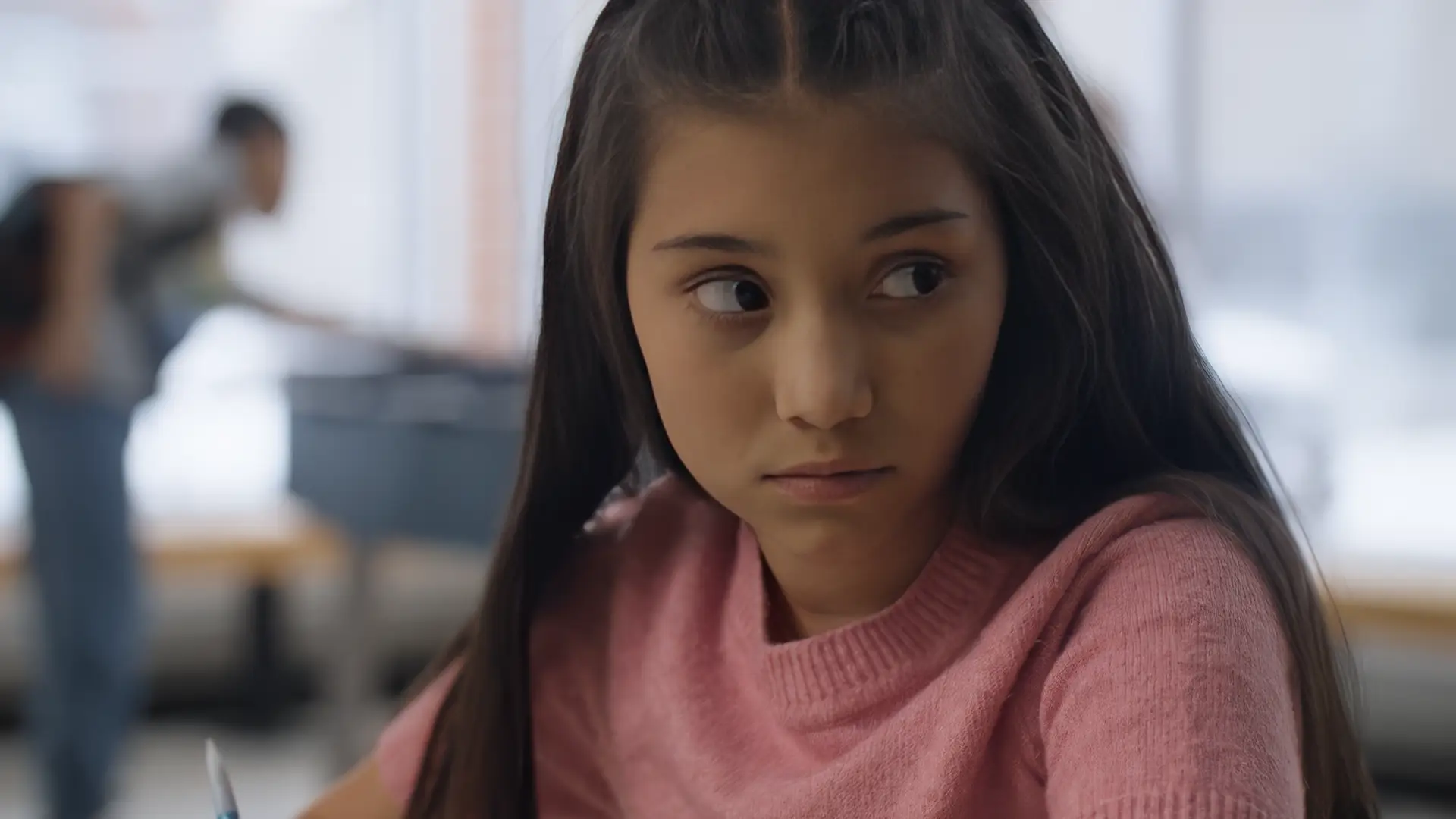
What is bullying?
Bullying is any behaviour, word, act, or gesture—whether deliberate or not—that is repetitive in nature and expressed directly or indirectly, including online, in a context characterized by an imbalance of power between the individuals involved, with the effect of causing distress and harming, hurting, oppressing, or ostracizing.
To recognize a situation of bullying, you need to take the time to think about it and take ACTION!
ACTION is a word that helps you recognize bullying:
A: Actions, intentional or not
C: Continues over time
T: Targeted behaviour
I: Imbalance of power
O: Ongoing harm
N: Not okay
Bullying can take many forms: physical, verbal, social, or material. No matter the form, it causes harm and can make someone feel hurt, isolated, or unsafe.
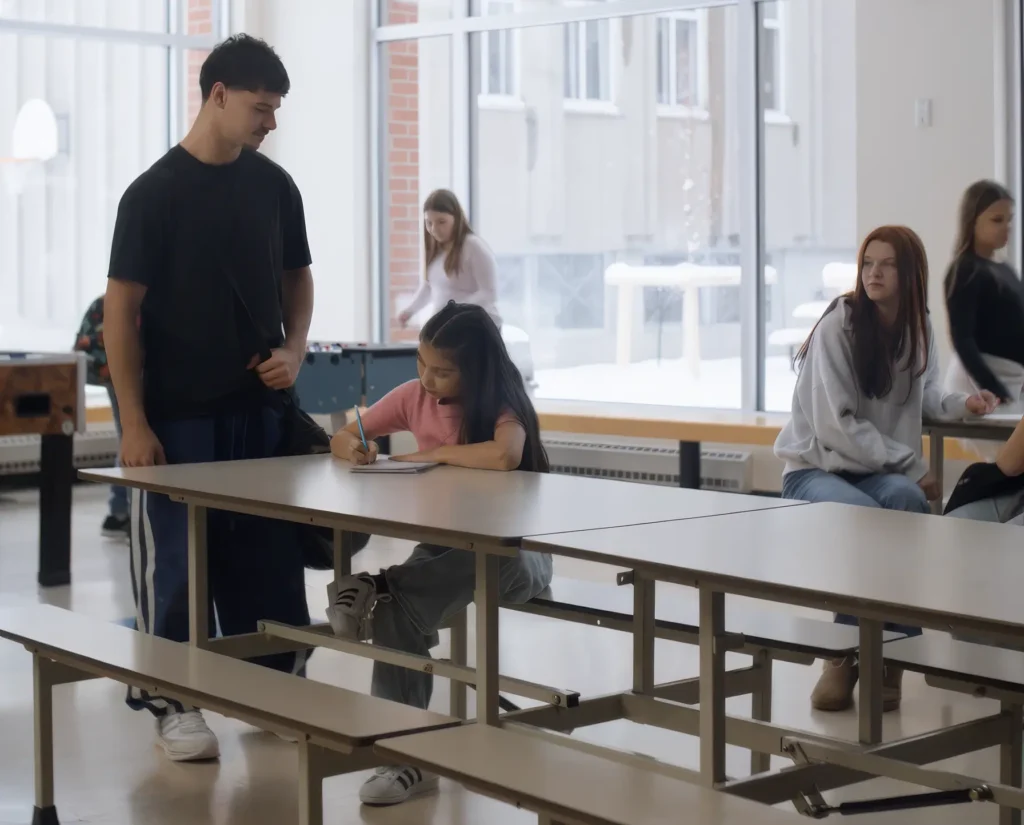
What is the anti-bullying and anti-violence plan?
It is a process put in place by your school to ensure a safe and respectful environment. It helps prevent bullying and defines how to respond quickly and effectively when situations occur.
How does it work?
School staff are trained to respond when a situation arises. They gather information, analyze what happened, and assess the severity of the situation. The administration is informed, and actions are taken to stop the behaviour and repair the harm. A safety plan is also put in place to protect those involved and prevent it from happening again.
Confidentiality
When you talk to a school adult about bullying, what you say remains confidential. Information is only shared with the people who need to help resolve the situation. The goal is to protect you and improve the situation without putting you in an uncomfortable position.
When does the police intervene?
The Criminal Code defines actions that are not allowed in Canada. A person can be arrested and charged starting at age 12.
If someone crosses the line and commits a Criminal Code offence against you (for example: threats or assault), you can report it to the police. This step is meant to ensure your safety and stop the behaviour.
If you’d like more information or need help with the process, you can talk to a school staff member, a parent, or your school’s police liaison. There are many offenses related to bullying, and it’s important to be aware of them. You can learn more by clicking here.
What can you do as a witness?
If you see someone being bullied, you have the power to act. Do not laugh or encourage the situation. Show the person they are not alone and encourage others to do the same. Talk to an adult as soon as possible. If you feel able, clearly tell the person bullying that you do not agree with their behaviour. Your actions matter, you can truly make a difference.



Resources to help you
Discover organizations that can support you. Their goal is the same: to listen and advise you on your situation. You can also talk to a counselor or a trusted adult at your school. They are always there to help!